 By
By 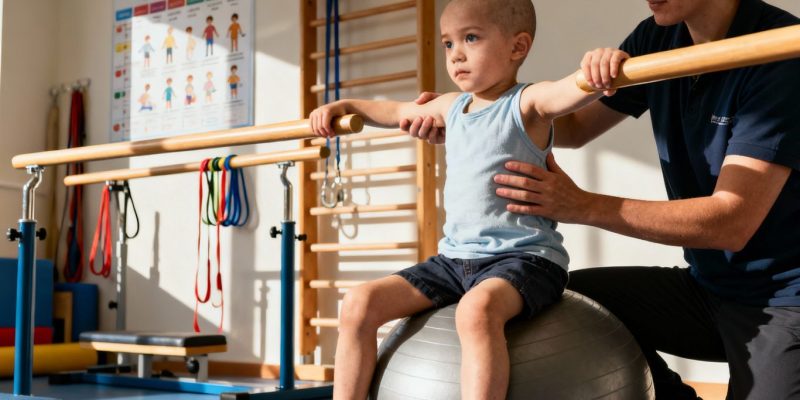
Defining Spastic Cerebral Palsy
Spastic cerebral palsy (CP) is the most common form of the condition, affecting a significant majority of individuals diagnosed with CP. It’s primarily defined by increased muscle tone, often referred to as spasticity. This means the muscles are stiff and it can be difficult to move them smoothly. Imagine trying to bend a very stiff rubber band – that’s a bit like what happens with spastic muscles. This tightness can affect one side of the body, both sides, or even just the legs. It’s not a progressive condition, meaning the brain injury that causes it doesn’t get worse over time, but the effects of the spasticity can change as a person grows.
Types of Spastic Cerebral Palsy
Spastic CP is further categorized based on which parts of the body are affected. Understanding these distinctions helps in tailoring support and interventions. The main types include:
- Spastic Diplegia: This type primarily affects the legs, causing stiffness and difficulty walking. The arms might be involved to a lesser extent.
- Spastic Hemiplegia: Here, one side of the body is affected, typically an arm and a leg on the same side. The affected limbs may be shorter or weaker.
- Spastic Quadriplegia: This is the most severe form, affecting all four limbs, the trunk, and sometimes the facial muscles. Movement and coordination are significantly impacted.
Impact on Motor Function
The increased muscle tone in spastic CP directly influences how a person moves. It can lead to challenges with fine motor skills, like writing or buttoning clothes, as well as gross motor skills, such as walking, running, or sitting. The involuntary muscle contractions can make movements jerky and uncontrolled. This can affect posture, balance, and the ability to perform everyday tasks. For instance, walking might involve a scissoring gait, where the legs cross over each other. Managing these motor challenges is a key focus in supporting individuals with CP.
Causes of Spastic Cerebral Palsy
Spastic cerebral palsy, the most common type, arises from damage to the brain’s motor cortex. This damage can happen at various stages of development, from before birth to early childhood. Understanding these origins helps in prevention and early intervention efforts.
Prenatal Factors
Many factors can affect brain development while a baby is still in the womb. Infections during pregnancy, like rubella or cytomegalovirus (CMV), can harm the developing brain. Exposure to certain toxins or chemicals, or even severe maternal health issues such as uncontrolled diabetes or thyroid problems, can also play a role. Genetic mutations, though less common, can sometimes contribute to abnormal brain development leading to cerebral palsy. Issues with the placenta, which provides oxygen and nutrients to the fetus, can also cause problems. Sometimes, the cause remains unknown, which can be frustrating for families trying to understand what happened.
Perinatal Complications
Complications around the time of birth are significant contributors. Premature birth is a major risk factor, as premature babies have underdeveloped brains that are more vulnerable to injury. Lack of oxygen during labor and delivery, known as hypoxia-ischemia, can cause brain damage. Difficulties with the birth process, such as a baby being too large or in an unusual position, can also lead to complications. Infections in the newborn, like meningitis or encephalitis, can also affect the brain. Sometimes, jaundice that is not treated properly can lead to brain damage.
Postnatal Brain Injury
Even after birth, a baby’s brain can be injured. Serious head injuries, such as those from falls or accidents, can cause damage. Infections like meningitis or encephalitis, which inflame the brain and its surrounding membranes, are also causes. Severe dehydration or lack of oxygen due to other medical issues can also impact the brain. In rare cases, blood clots or strokes in infants can lead to brain damage. Early detection and prompt medical attention are key to minimizing the impact of these postnatal injuries. The brain’s ability to heal and adapt, known as neuroplasticity, is greatest in early life, making timely intervention important for conditions like cerebral palsy.
Recognizing the Symptoms
Defining Spastic Cerebral Palsy
Spastic cerebral palsy is the most common type, affecting about 80% of individuals with cerebral palsy. It’s characterized by increased muscle tone, which makes movements stiff and awkward. This increased tone, often called spasticity, can affect one side of the body (hemiplegia), both legs (diplegia), or the entire body (quadriplegia).
Types of Spastic Cerebral Palsy
Spasticity can manifest in different ways, leading to various subtypes:
- Spastic Diplegia: Primarily affects the legs, making walking difficult. Arms may be slightly affected, but usually less so than the legs.
- Spastic Hemiplegia: Affects one side of the body, typically an arm and a leg on the same side. The affected limbs may be shorter and weaker.
- Spastic Quadriplegia: The most severe form, affecting all four limbs, the trunk, and the face. This can significantly impact speech, swallowing, and overall mobility.
Impact on Motor Function
The increased muscle tone in spastic cerebral palsy can lead to a range of motor challenges. These can include:
- Stiff Muscles: Muscles remain contracted and tense, making them hard to move.
- Exaggerated Reflexes: Deep tendon reflexes are often overactive.
- Scissoring Gait: When walking, the legs cross over each other, like scissors.
- Difficulty with Fine Motor Skills: Tasks requiring precise hand movements, like writing or buttoning clothes, can be challenging.
- Balance Problems: Maintaining balance can be difficult due to muscle stiffness and coordination issues.
Diagnostic Approaches
Medical History and Physical Examination
When a child is suspected of having spastic cerebral palsy, the first step usually involves a thorough review of their medical history and a detailed physical examination. Doctors will ask about the pregnancy, birth, and early development. They’ll look for signs like muscle stiffness, unusual reflexes, and difficulties with movement. This initial assessment helps form a baseline understanding of the child’s condition.
Imaging Techniques
To get a clearer picture of what’s happening in the brain, doctors often use imaging tests. These can include:
- MRI (Magnetic Resonance Imaging): This provides detailed images of the brain’s structure, helping to identify any abnormalities or damage that might have occurred.
- CT Scan (Computed Tomography): While less detailed than MRI for soft tissues, a CT scan can also reveal brain injuries or structural issues.
- Ultrasound: This is sometimes used for infants, especially if there were complications during birth, as it can detect certain types of brain bleeding or damage.
Developmental Assessments
Assessing a child’s developmental milestones is another key part of the diagnostic process. This involves observing and testing their abilities in areas such as:
- Gross Motor Skills: How they move their large muscles, like sitting, crawling, walking, and running.
- Fine Motor Skills: The use of small muscles, such as grasping objects, using utensils, or writing.
- Speech and Language Development: Their ability to communicate and understand.
- Cognitive Abilities: Their learning and thinking skills.
These assessments help track progress and identify specific challenges related to spastic cerebral palsy.
Therapeutic Interventions
Physical Therapy Strategies
Physical therapy is a cornerstone in managing spastic cerebral palsy. Therapists work with individuals to improve strength, balance, and coordination. They use a variety of techniques tailored to each person’s needs.
- Range of Motion Exercises: Gentle stretching helps prevent muscles from tightening too much and improves joint flexibility.
- Strengthening Activities: Targeted exercises build muscle power, which can help with walking and other movements.
- Gait Training: Therapists guide individuals on how to walk more effectively, often using assistive devices if needed.
- Balance and Coordination Drills: These activities focus on improving stability and control during movement.
Occupational Therapy Support
Occupational therapy focuses on helping individuals perform daily tasks more easily. This can involve adapting activities or using special tools.
- Fine Motor Skill Development: Therapists assist with tasks like writing, buttoning clothes, or using utensils.
- Adaptive Equipment Training: Learning to use tools like specialized eating utensils, dressing aids, or computer adaptations.
- Home and School Modifications: Suggestions for changes to the environment to make it more accessible and functional.
- Self-Care Skill Building: Support for activities such as bathing, dressing, and feeding.
Speech and Language Pathology
Speech and language pathologists address communication and swallowing difficulties that can accompany spastic cerebral palsy.
- Improving Articulation: Exercises to help with clearer speech production.
- Augmentative and Alternative Communication (AAC): Introducing devices or systems, like communication boards or speech-generating devices, for those with significant speech challenges.
- Swallowing Therapy: Techniques and strategies to make eating and drinking safer and more efficient, addressing dysphagia.
- Social Communication Skills: Working on understanding and using language in social contexts.
Medical and Surgical Management
Managing spastic cerebral palsy often involves a combination of medical and surgical approaches aimed at reducing muscle stiffness and improving function. These interventions are tailored to the individual’s specific needs and the severity of their spasticity.
Medications for Spasticity
Medications play a significant role in managing muscle stiffness. They work by targeting the nervous system to decrease muscle tone.
- Oral medications: Baclofen and tizanidine are commonly prescribed. They work systemically to relax muscles.
- Injections: Botulinum toxin (Botox) injections can be used to target specific muscles. The effects are temporary, typically lasting several months, and can help improve range of motion and reduce pain.
Orthopedic Interventions
Orthopedic surgery may be recommended to correct bone and joint problems that arise due to spasticity. These issues can include:
- Hip dislocations
- Foot deformities, such as clubfoot
- Scoliosis (curvature of the spine)
Procedures like tendon lengthening or release can help improve alignment and mobility. These surgeries aim to make movement easier and prevent further complications.
Selective Dorsal Rhizotomy (SDR)
Selective Dorsal Rhizotomy is a surgical procedure that targets the spinal cord. It involves carefully cutting specific nerve roots in the spinal canal that are sending abnormal signals causing spasticity. This procedure is typically considered for children with spasticity primarily in their legs. While it can significantly reduce leg spasticity, it is a permanent procedure and requires extensive post-operative physical therapy to regain strength and coordination. It is not a cure for cerebral palsy but can greatly improve walking ability and overall function for carefully selected candidates.
Living with Spastic Cerebral Palsy
Assistive Technologies
Living with spastic cerebral palsy often involves integrating various tools and devices to help individuals perform daily tasks more easily. These technologies can make a big difference in independence and quality of life. Think about things like:
- Mobility aids: Wheelchairs, walkers, and specialized strollers can help with getting around.
- Communication devices: For those who have trouble speaking, devices that generate speech or allow for text-based communication are incredibly helpful.
- Adaptive equipment: This includes things like special utensils for eating, modified computer keyboards, or dressing aids.
The goal is to find what works best for each person’s specific needs.
Educational Support Systems
Education is a big part of life, and for individuals with spastic cerebral palsy, tailored support is key. Schools often have programs in place to help students succeed. This can include:
- Individualized Education Programs (IEPs): These plans outline specific goals and services a student needs.
- Specialized instruction: Teachers and aides trained to work with students with disabilities can provide extra help.
- Accommodations: This might mean extra time for tests, modified assignments, or access to assistive technology in the classroom.
It’s about making sure everyone has a fair shot at learning and reaching their potential.
Community Resources and Advocacy
Beyond therapy and school, there’s a whole network of support available in the community. Connecting with others and finding resources can be really beneficial. Organizations dedicated to cerebral palsy offer:
- Information and guidance: They can provide details on services, financial aid, and legal rights.
- Support groups: Meeting other families and individuals facing similar challenges can be comforting and informative.
- Advocacy efforts: These groups work to improve access to services, promote inclusion, and raise awareness about cerebral palsy.
Finding and utilizing these resources can significantly improve the journey for individuals and their families.

Comments