 By
By 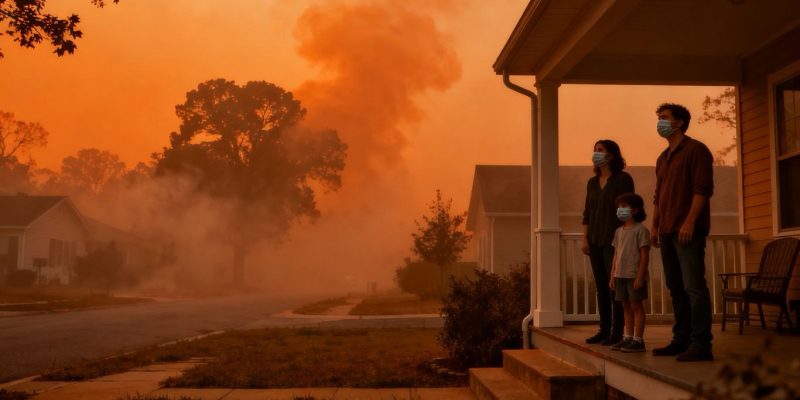
Wildfire smoke is more than just an inconvenience; it carries significant health risks that can affect anyone exposed. The primary concern stems from the tiny particles it releases into the air.
The Dangers of Fine Particulate Matter (PM2.5)
The most talked-about component of wildfire smoke is fine particulate matter, often referred to as PM2.5. These particles are incredibly small, measuring less than 2.5 micrometers in diameter. Because they are so tiny, they can easily bypass the body’s natural defenses and penetrate deep into the lungs. Once in the lungs, these particles can cause inflammation and irritation, leading to a range of respiratory problems. This can manifest as coughing, wheezing, and shortness of breath. For individuals with existing conditions like asthma or COPD, exposure can trigger severe flare-ups. Studies have shown a link between PM2.5 exposure and increased hospital visits for respiratory issues [9c07].
Beyond PM2.5: Gases and Toxins in Smoke
While PM2.5 gets a lot of attention, wildfire smoke also contains a complex mix of gases and other toxic chemicals. These can include carbon monoxide, nitrogen oxides, and volatile organic compounds (VOCs). Some of these gases can irritate the eyes, nose, and throat, while others can have more systemic effects on the body. The specific composition of smoke can vary depending on what is burning and how intensely the fire is burning. This complex mixture means that even if PM2.5 levels are not extremely high, other harmful substances could still be present, contributing to adverse health outcomes [be30].
Vulnerable Populations and Increased Risk
Certain groups are more susceptible to the harmful effects of wildfire smoke. This includes children, whose lungs are still developing, and older adults, who may have pre-existing health conditions. Pregnant individuals and people with chronic respiratory or cardiovascular diseases are also at higher risk. Emergency responders and individuals who work outdoors during smoke events face even greater exposure. It’s important for these groups to take extra precautions during periods of poor air quality. Understanding these risks is the first step toward effective protection.
Recognizing the Symptoms of Smoke Exposure
Wildfire smoke can affect people in various ways, and it’s important to know what to look out for. The effects can show up quickly or develop over time. Paying attention to your body’s signals is key to protecting your health during smoke events.
Short-Term Health Impacts
When smoke is present, individuals might experience immediate reactions. These can range from mild discomfort to more significant issues. Common short-term symptoms include:
- Eye irritation: Redness, watering, and a burning sensation.
- Nose and throat irritation: Coughing, sore throat, and a runny nose.
- Headaches: Often a dull, persistent ache.
- Difficulty breathing: Shortness of breath or wheezing, especially for those with existing respiratory conditions.
- Chest discomfort: A feeling of tightness or pain.
These symptoms usually lessen once exposure to the smoke stops. However, for some, they can be quite disruptive to daily life.
Long-Term Health Consequences
While short-term effects are noticeable, prolonged or repeated exposure to wildfire smoke can lead to more serious health problems down the line. The fine particles and toxic gases in smoke can cause lasting damage. These can include:
- Worsening of chronic conditions: Asthma, bronchitis, and other lung diseases can become more severe.
- Increased susceptibility to infections: The immune system may be weakened, making individuals more prone to illnesses.
- Potential for permanent lung damage: In severe cases, repeated exposure can lead to lasting changes in lung function.
Research suggests that communities frequently exposed to smoke may see higher rates of respiratory and cardiovascular issues over time. Understanding these potential long-term effects is vital for those living in or near fire-prone areas.
When to Seek Medical Attention
It’s important to know when symptoms warrant professional medical help. While mild irritation might resolve on its own, certain signs indicate a more serious reaction to smoke exposure. You should seek medical attention if you experience:
- Severe difficulty breathing or shortness of breath.
- Chest pain or pressure.
- Confusion or dizziness.
- A significant worsening of pre-existing heart or lung conditions.
Don’t hesitate to contact a healthcare provider or go to an emergency room if you are concerned about your symptoms. Prompt medical care can help manage acute reactions and prevent further complications from smoke inhalation.
Protecting Your Home from Wildfire Smoke
Wildfire smoke can infiltrate homes, even miles away from the actual fire. Taking steps to maintain good indoor air quality is important for your family’s health. The goal is to keep the smoky air outside and the cleaner air inside.
Maintaining Indoor Air Quality
When smoke is in the air, it’s best to keep windows and doors shut. This simple action helps prevent the fine particles and gases from entering your living space. Also, avoid activities that can add to indoor pollution. This includes things like burning candles, using fireplaces, or even excessive use of gas stoves, as these can all degrade the air quality inside your home.
Sealing Your Home Against Smoke Infiltration
Pay attention to potential entry points for smoke. Check for gaps around windows and doors and seal them as best as possible. Even small cracks can let in a significant amount of smoke. This is a key step in keeping indoor air clean.
The Role of Air Purifiers and HVAC Systems
Air purifiers can be very helpful. Look for ones with HEPA filters, as these are designed to capture the tiny particles found in wildfire smoke. If you have a central air conditioning or heating system, consider adjusting its settings. Running it on a recirculation mode can help prevent outside air from being drawn into your home. Some systems can also be fitted with higher-efficiency filters to better trap smoke particles. For more detailed information on managing indoor air during smoke events, resources on air quality management can provide further guidance.
Personal Protective Measures During Smoke Events
When wildfire smoke blankets your community, taking proactive steps to protect yourself and your family is paramount. The primary goal is to minimize exposure to harmful airborne particles and gases. This involves a combination of personal choices and environmental adjustments.
Choosing the Right Respiratory Protection
Standard cloth or surgical masks offer very little defense against the fine particulate matter found in wildfire smoke. For effective protection, an N95 respirator is recommended. It’s important to ensure the mask fits snugly against the face, creating a seal to prevent smoke from seeping in around the edges. If an N95 respirator is not available or cannot be worn properly, the next best strategy is to remain indoors in a clean air environment. For those who must be outdoors for extended periods, consider the limitations of any mask and prioritize reducing overall time spent in smoky conditions.
Limiting Outdoor Activity and Exercise
Wildfire smoke can significantly impact air quality, making outdoor activities potentially hazardous. During periods of poor air quality, it is advisable to curtail strenuous outdoor activities, especially exercise. Physical exertion increases respiration rate, leading to deeper and faster breathing, which can result in inhaling more pollutants. Consider moving indoor workouts to a space with filtered air or opting for less strenuous activities that require less time outdoors. For families with children, it’s especially important to keep them indoors and limit their outdoor play when smoke is present, as their developing respiratory systems are more vulnerable.
Staying Informed About Air Quality
Knowledge is a key component of protection. Regularly monitoring local air quality reports is essential for making informed decisions about personal safety. Many public health organizations and government agencies provide real-time air quality indexes (AQI) and forecasts. These reports often use color-coded systems to indicate the level of health concern associated with current air conditions. Pay attention to the AQI, particularly the levels of fine particulate matter (PM2.5), which is a major component of wildfire smoke. Having this information readily available allows you to adjust your plans, such as deciding whether to stay indoors or to create a designated clean air room within your home [2656]. This proactive approach helps in managing exposure risks effectively.
Supporting Your Body’s Resilience
When wildfire smoke fills the air, it’s not just your lungs that feel the strain. Your body’s overall ability to cope, often referred to as resilience, plays a significant role in how well you weather these events. Focusing on a few key areas can help your system better manage the stress of smoke exposure.
The Importance of Hydration
Staying well-hydrated is more important than you might think during smoke events. Water helps your body function optimally, including its natural processes for clearing out irritants and toxins. Aim to drink plenty of water throughout the day, even if you don’t feel particularly thirsty. This simple habit supports your body’s internal systems as they work to combat the effects of inhaled pollutants.
Nutritional Support for Lung Health
What you eat can also make a difference. A diet rich in antioxidants, found in many fruits and vegetables, may help reduce inflammation that can be triggered by smoke exposure. Think colorful foods like berries, leafy greens, and bell peppers. These nutrients can contribute to overall lung health and support your body’s defense mechanisms. Some research suggests that the immune system is quite sensitive to environmental factors like fire smoke, so giving it good fuel is a smart move [008e].
Reducing Indoor Pollutants
Beyond the smoke itself, other things inside your home can affect air quality. Minimizing the use of products that release volatile organic compounds (VOCs), such as certain cleaning supplies or air fresheners, can help keep your indoor air cleaner. This reduces the overall burden on your respiratory system, especially when outdoor air quality is poor. Taking steps to manage indoor air quality complements efforts to filter smoke and support your body’s natural defenses.
Long-Term Strategies for Wildfire-Prone Areas
Living in areas prone to wildfires means accepting that smoke events might become a recurring challenge. Preparing for these situations well in advance is key to protecting your family’s health over the long haul. This involves more than just having a plan for the next fire; it’s about building resilience into your home and community.
Preparing for Future Wildfire Seasons
Wildfire seasons are becoming more unpredictable, and it’s wise to get ahead of them. This means staying informed about local conditions and potential risks. Regularly checking air quality alerts and weather forecasts can help you anticipate when smoke might be an issue. Beyond personal preparation, supporting community efforts to reduce wildfire risks is also important. This can include participating in local initiatives focused on sustainable land management and forest health. Building resilience in both communities and forests is the most effective way to better withstand and recover from increasingly intense wildfire events.
Creating a Safe Indoor Environment
Your home should be a sanctuary, especially when outdoor air quality is poor. During smoke events, keeping doors and windows shut is the first step. Using your air conditioner in recirculate mode can also help minimize the amount of outdoor air coming inside, thereby reducing indoor pollution. Consider investing in high-quality air purifiers with HEPA filters for key living areas. These devices can significantly improve indoor air quality by capturing fine particulate matter. Regularly maintaining your HVAC system and changing filters can also make a difference in how effectively it cleans the air you breathe.
Community Preparedness and Communication
Individual actions are important, but community-wide preparedness can offer a greater level of safety. This involves understanding evacuation routes and having a communication plan in place with neighbors and local authorities. Participating in community meetings or workshops about wildfire preparedness can provide valuable information and foster a sense of collective responsibility. Sharing resources and information within your community can help everyone stay better informed and prepared for smoke events and potential evacuations. Effective communication is vital when facing these shared challenges.

Comments