 By
By 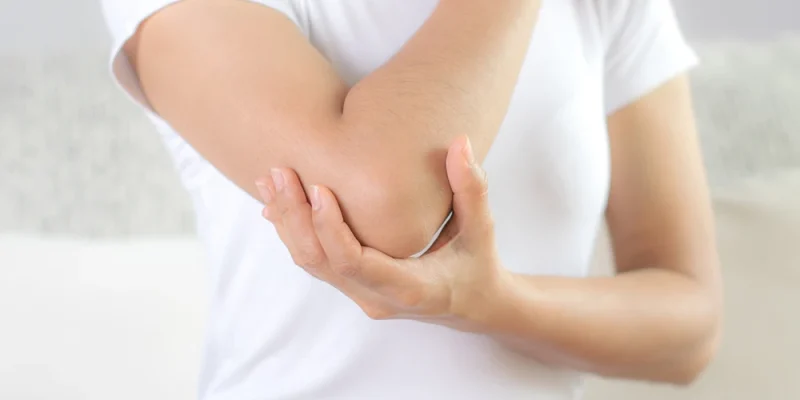
Key Highlights
- Persistent pain that lasts more than six to twelve months despite therapy.
- Inability to perform basic daily tasks like gripping a cup or turning a door handle.
- Failure of multiple non-surgical interventions, including injections and bracing.
- Evidence of significant tendon tearing on diagnostic imaging like an MRI.
Introduction
Tennis elbow, or lateral epicondylitis, develops when repeated strain affects the tendons that connect the forearm muscles to the outside of the elbow. Although the condition commonly affects racket-sport players, office workers, manual labourers, and gym enthusiasts can also develop persistent symptoms.
Many cases improve with rest, physiotherapy, exercise modification, and other non-surgical approaches. However, some people continue to experience pain despite months of appropriate treatment. When symptoms remain severe enough to restrict everyday activities or scans show significant tendon damage, a sports orthopaedic specialist in Singapore may discuss whether tennis elbow surgery should become part of the treatment conversation.
The following four signs can indicate that further medical assessment may be appropriate.
1. How Long Should You Try Non-Surgical Treatment Before Tennis Elbow Surgery?
Surgery generally does not represent the first treatment option for tennis elbow. Doctors usually recommend conservative management first because many cases gradually improve without an operation.
A typical non-surgical treatment plan may involve:
- Activity modification and avoiding movements that aggravate the elbow
- Physiotherapy and progressive strengthening exercises
- Bracing or other forms of mechanical support
- Medication or other treatments recommended according to the patient’s condition
The more important consideration is not simply how many months have passed, but whether symptoms continue despite consistent and appropriately managed treatment.
If elbow pain remains significant after an extended rehabilitation period, a sports orthopaedic specialist in Singapore may reassess the tendon and determine whether persistent degeneration or another underlying problem is preventing recovery. At this stage, continuing the same treatment indefinitely may offer limited benefit, making further investigation important.
2. Is Tennis Elbow Severe Enough for Surgery If It Affects Daily Activities?
Persistent tennis elbow can become more concerning when pain begins to interfere with ordinary tasks rather than appearing only during exercise or sport.
Simple activities can reveal how much function you have lost. You may experience difficulty gripping a cup, carrying shopping bags, opening a door, shaking hands, typing for long periods, or lifting everyday objects. Some people also begin changing the way they use their arm to avoid discomfort.
| Level of Impact | What It May Look Like |
| Mild | Pain mainly during sport or repetitive activity |
| Moderate | Discomfort while gripping, lifting, or working |
| Significant | Difficulty completing routine household or work tasks |
| Persistent | Regular pain despite modifying activities and undergoing treatment |
Loss of function does not automatically mean that tennis elbow surgery is necessary. However, substantial limitations that persist despite treatment can justify a more detailed specialist assessment.
The objective of treatment at this stage is not merely to reduce discomfort. It is also to restore enough strength and movement for the patient to perform daily activities safely and comfortably.
3. What Happens If Tennis Elbow Injections or Other Treatments Do Not Work?
Some patients continue to experience symptoms after progressing beyond basic physiotherapy and activity modification. Depending on the individual case, doctors may consider additional non-surgical interventions before discussing surgery.
The response to these treatments can provide useful information. If symptoms repeatedly return or treatment produces little meaningful improvement, the specialist may investigate whether structural tendon damage has become a significant factor.
Repeated temporary improvement should not automatically lead to further procedures without reassessment. Treatment decisions should account for symptom duration, physical examination findings, previous treatment responses, activity requirements, and the overall condition of the tendon.
When several appropriate conservative approaches have failed to restore acceptable function, tennis elbow surgery may become one of the options considered rather than continuing treatments that have produced limited results.
4. Can an MRI Show Whether Tennis Elbow Needs Surgery?
Doctors can often diagnose tennis elbow through medical history and physical examination. However, imaging may become useful when symptoms persist, the diagnosis remains uncertain, or the specialist needs to assess the extent of tendon damage.
An ultrasound or MRI can help identify changes involving the affected tendon and may show significant degeneration or tearing. Imaging can also help the specialist investigate other conditions that could produce similar elbow symptoms.
Scan findings alone do not determine whether surgery is necessary. A specialist usually considers several factors together, including:
Symptom severity: How much pain the patient experiences and how frequently it occurs.
Functional limitation: Whether the condition prevents normal work, household activities, exercise, or sport.
Treatment history: Whether appropriate non-surgical treatment has already been attempted without sufficient improvement.
Imaging findings: Whether scans support the presence of substantial tendon damage that corresponds with the patient’s symptoms.
When these factors point towards persistent structural problems, the specialist can discuss whether surgical treatment offers a reasonable next step.
Frequently Asked Questions
Is Surgery Always Necessary for a Chronic Tennis Elbow?
No. Many cases can still improve without surgery, even when symptoms have lasted for several months. Surgery generally becomes a consideration when persistent symptoms significantly affect function and appropriate conservative treatment has not provided sufficient relief.
What Does Tennis Elbow Surgery Treat?
Surgical treatment generally focuses on addressing damaged or degenerative tendon tissue around the outer elbow. The exact approach depends on the extent of the problem and the surgical technique recommended by the specialist.
How Does a Doctor Decide Whether Tennis Elbow Surgery Is Appropriate?
A doctor considers the duration and severity of symptoms, physical examination findings, previous treatment, functional limitations, and imaging results where appropriate. No single sign determines suitability for surgery.
Should I Get an MRI Before Considering Tennis Elbow Surgery?
Not every patient requires an MRI. A specialist may recommend imaging when symptoms persist, when the diagnosis needs clarification, or when more information about the tendon could influence treatment planning.
When Should I See a Sports Orthopaedic Specialist?
Consider seeking specialist assessment if elbow pain continues despite appropriate treatment, progressively restricts daily activities, repeatedly returns after treatment, or significantly affects your ability to work or exercise.
Contact Bryan Tan Novena to arrange an assessment with a sports orthopaedic specialist in Singapore and discuss whether ongoing conservative care or tennis elbow surgery may be appropriate for your condition.

Comments