 By
By 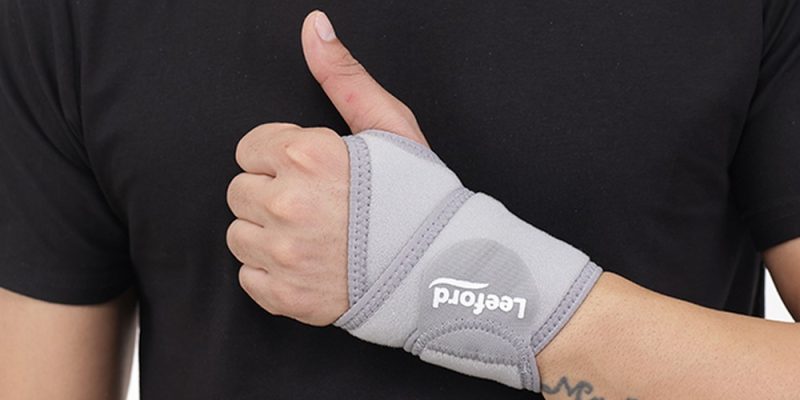
Lifting weights applies a certain amount of strain on the smaller joints of the body. The wrist is usually affected by this. A wrist is a complex structure of bones and ligaments. It usually bears heavy loads during pressing and pulling movements. Most athletes use extra reinforcement to protect this area. That is when a wrist brace comes in handy. Wrist support can offer peace of mind during heavy lifts. It functions as an external stabilizer for the joint.
However, choosing the right gear requires a balance. You need to weigh joint protection against your long-term performance goals. Excessive reliance on a brace can sometimes affect natural strength development.
This blog explores how to integrate wrist braces into your gym routine. It looks at different designs, including the thumb wrist brace. It aims to help you make informed choices for your training longevity.
The Anatomy of a Lifting Support
Your wrist basically consists of eight small carpal bones. These bones connect your forearm to your hand. A network of ligaments holds these bones together tightly.
These ligaments can stretch or twist during heavy training. This is especially true under heavy loads like bench presses and overhead extensions.
A wrist brace applies circumferential pressure to the joint. This compression holds the small bones in your wrist tight. It prevents them from shifting and gives you a much more stable base to lift heavy objects.
Your force production naturally increases when the wrist remains stable. You can push against the barbell with greater efficiency. This directly impacts your overall lifting capacity.
Types of Gym Wrist Supports
Flexible Cotton Wraps
These wraps use a blend of cotton and elastic materials. They offer moderate support and excellent comfort. They are ideal for high-intensity functional fitness training.
Rigid Powerlifting Wraps
These are made from heavy-duty elastic and stiff nylon materials. They offer maximum immobilization for heavy compound movements. They are designed for short periods of intense effort.
Thumb Wrist Brace
A thumb wrist brace includes an extension that wraps around the base of the thumb. It stabilizes the first digit along with the wrist joint. This design is highly beneficial for exercises involving a wide hook grip.
Compression Sleeves
These sleeves offer light compression without rigid elements. They provide warmth and joint awareness. They do not restrict your natural range of motion during bodyweight training.
Protection Benefits in the Gym
The main reason to use wrist support is injury prevention. Heavy lifting can force the wrist into extreme angles. These angles reduce joint mechanical advantage.
A wrist brace prevents hyperextension during pressing movements. It stops the hand from rolling backwards under a heavy barbell. This protects the soft tissues from micro-tears. A wrist brace with thumb also provides valuable thermal warmth. Increased temperature keeps the local joint capsule lubricated. It improves the elasticity of the surrounding tendons.
A brace offers essential control for individuals returning from a minor strain. It functions as a physical reminder to maintain correct form. It prevents sudden and uncontrolled movements during complex lifts.
Wrist Support for Gym
| Support Type | Rigidity Level | Best Exercise Match | Impact on Grip |
|---|---|---|---|
| Flexible Wrap | Moderate | Clean and jerks Kettlebell swings Overhead press |
Minimal |
| Rigid Powerlifting | Maximum | Heavy bench press Heavy squats | Noticeable/Impedes the cushion grip |
| Thumb Wrist Brace | High | Rehab exercises Light lifting |
Negative (Limits mobility/grip) |
| Compression Sleeve | Low | Push ups Pull ups General warm-up |
None |
Mistakes Gym-goers Make
1. Wrapping too low
Keeping the support entirely on the forearm leaves the joint unprotected
2. Using wraps for everything
Wearing the brace during light warm-ups creates weak wrist stabilizers
3. Over-tightening for long durations
Leaving a tight wrist support on between sets cuts off healthy blood circulation
4. Ignoring underlying pain
Using a wrist brace to mask a serious injury can lead to long-term tissue damage
Experiencing Numbness When You Wear a Wrist Support?
Numbness indicates the wrap is compressing a nerve or restricting blood flow. This usually happens when you pull the material too tight. Loosen the wrap immediately to restore normal sensation.
Final Thoughts
Want to get the most out of your workouts? Plan exactly when you use your lifting gear. Focus on maintaining a straight wrist alignment naturally whenever possible. Challenge your muscles without extra gear so your body naturally builds strength. Do this for those high-volume and lighter days.
Put on a solid pair of wrist supports once you move into heavy and low-volume lifting phases. This ensures safety. Make sure your nutrition supports joint health by consuming adequate protein and essential minerals. Keep your hydration levels high to maintain healthy connective tissue elasticity.
Pay attention to your body every step of the way. Support your wrist early if your joints feel a bit weak and tired. These smart habits make sure your joints stay healthy. You can keep lifting heavy for years without chronic wear and tear that way.
Comments