 By
By 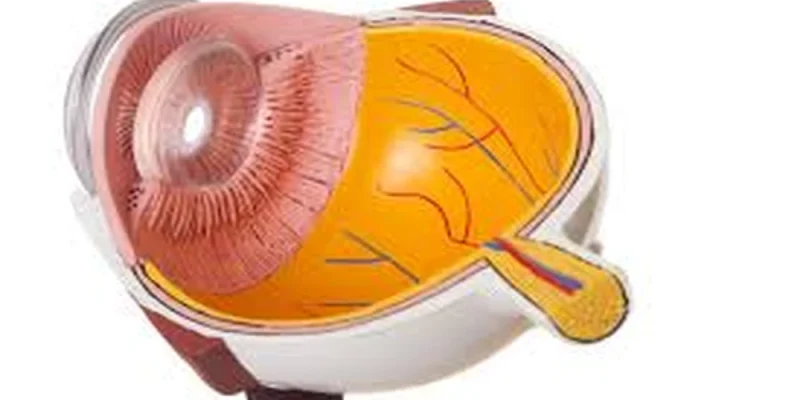
Central serous chorioretinopathy (CSCR) is an eye condition that occurs when fluid builds up beneath the retina, leading to blurred or distorted central vision. Although some cases improve naturally, others may persist or recur, potentially affecting long-term visual quality if left untreated.
Because the condition is less widely discussed than other retinal diseases, many patients feel confused or anxious after diagnosis. Understanding the basics of central serous chorioretinopathy treatment may help individuals make informed decisions about their eye health and recovery.
Here are 10 important things patients should know about this retinal condition and its treatment options.
1. CSCR Often Affects Younger and Middle-Aged Adults
Many people assume retinal diseases only affect seniors, but CSCR commonly develops in adults between their 30s and 50s.
The condition is often associated with stress, corticosteroid use, poor sleep, or high-pressure lifestyles. Men also appear to develop CSCR more frequently than women.
Because younger adults may not expect retinal disease, symptoms are sometimes ignored initially.
2. Symptoms May Develop Gradually
CSCR symptoms do not always appear suddenly.
Patients may notice blurry central vision, distorted straight lines, faded colors, or dark spots in their field of vision. Some individuals also describe objects appearing smaller or farther away than normal.
These symptoms may worsen gradually, which is why routine eye evaluation is important when vision changes persist.
3. Not All Cases Require Immediate Intervention
One important fact about CSCR treatment is that some mild cases resolve naturally over time.
Doctors may initially monitor the retina closely rather than begin aggressive treatment immediately. Observation is often appropriate when fluid buildup is minimal and vision remains relatively stable.
However, chronic or recurring cases may require medical intervention to reduce the risk of long-term retinal damage.
4. Stress May Play a Major Role
Stress is strongly linked to CSCR in many patients.
High cortisol levels associated with chronic stress may affect blood vessels beneath the retina and contribute to fluid leakage. Individuals working in demanding environments or experiencing prolonged emotional stress may face higher risk.
Although stress reduction alone may not cure the condition, healthy lifestyle adjustments may support recovery alongside central serous chorioretinopathy treatment.
5. Steroid Medications May Increase Risk
Many patients are surprised to learn that corticosteroids may trigger or worsen CSCR.
Steroids used in oral medications, inhalers, nasal sprays, skin creams, or injections may contribute to fluid accumulation beneath the retina in susceptible individuals.
Doctors often review medication history carefully when evaluating retinal symptoms.
6. Treatment Options Vary by Severity
There is no single treatment approach suitable for every patient.
Depending on the severity and duration of the condition, central serous chorioretinopathy treatment may involve observation, laser therapy, photodynamic therapy, or medications aimed at reducing fluid leakage.
Treatment decisions are usually based on retinal imaging results, visual symptoms, and how long fluid has remained beneath the retina.
7. Modern Imaging Helps Detect Retinal Changes Early
Eye specialists use advanced imaging technology to diagnose and monitor CSCR.
Optical coherence tomography (OCT) creates detailed cross-sectional images of the retina, helping doctors identify fluid buildup and monitor treatment response. Fluorescein angiography may also help locate leaking blood vessels.
These imaging techniques play an important role in guiding central serous chorioretinopathy treatment decisions.
8. Recovery Time Varies Between Patients
Some individuals recover within a few months, while others experience longer-lasting or recurring symptoms.
Even after fluid resolves, subtle visual distortion or reduced contrast sensitivity may persist in certain patients. Chronic or repeated episodes may increase the likelihood of permanent retinal changes over time.
Following medical advice and attending regular follow-up appointments may help improve long-term outcomes.
9. Follow-Up Care Is Extremely Important
Some patients stop seeing their eye specialist once symptoms improve.
However, CSCR may recur, especially if underlying triggers such as stress or steroid exposure continue. Repeated fluid buildup may gradually damage retinal tissue and affect visual quality.
Ongoing monitoring allows doctors to detect recurrence early and adjust central serous chorioretinopathy treatment when necessary.
10. Healthy Habits May Support Long-Term Eye Health
Although not all cases can be prevented, lifestyle habits may influence retinal health.
Doctors often encourage patients to improve sleep quality, manage stress, avoid smoking, and maintain healthy blood pressure. Reducing unnecessary steroid use when medically appropriate may also lower recurrence risk.
Regular eye examinations remain important, especially for individuals who previously experienced CSCR episodes.
Conclusion
Central serous chorioretinopathy is a retinal condition that may affect vision quality if not properly monitored or treated. While some cases resolve naturally, others may require central serous chorioretinopathy treatment to reduce fluid buildup and protect long-term retinal health.
Learning the key facts about CSCR, recognizing symptoms early, and attending regular eye examinations may help patients make informed decisions about their care. With proper monitoring and healthy lifestyle habits, many individuals are able to manage the condition successfully and preserve useful vision.
Comments